Padel World Summit shows sport's rapid evolution
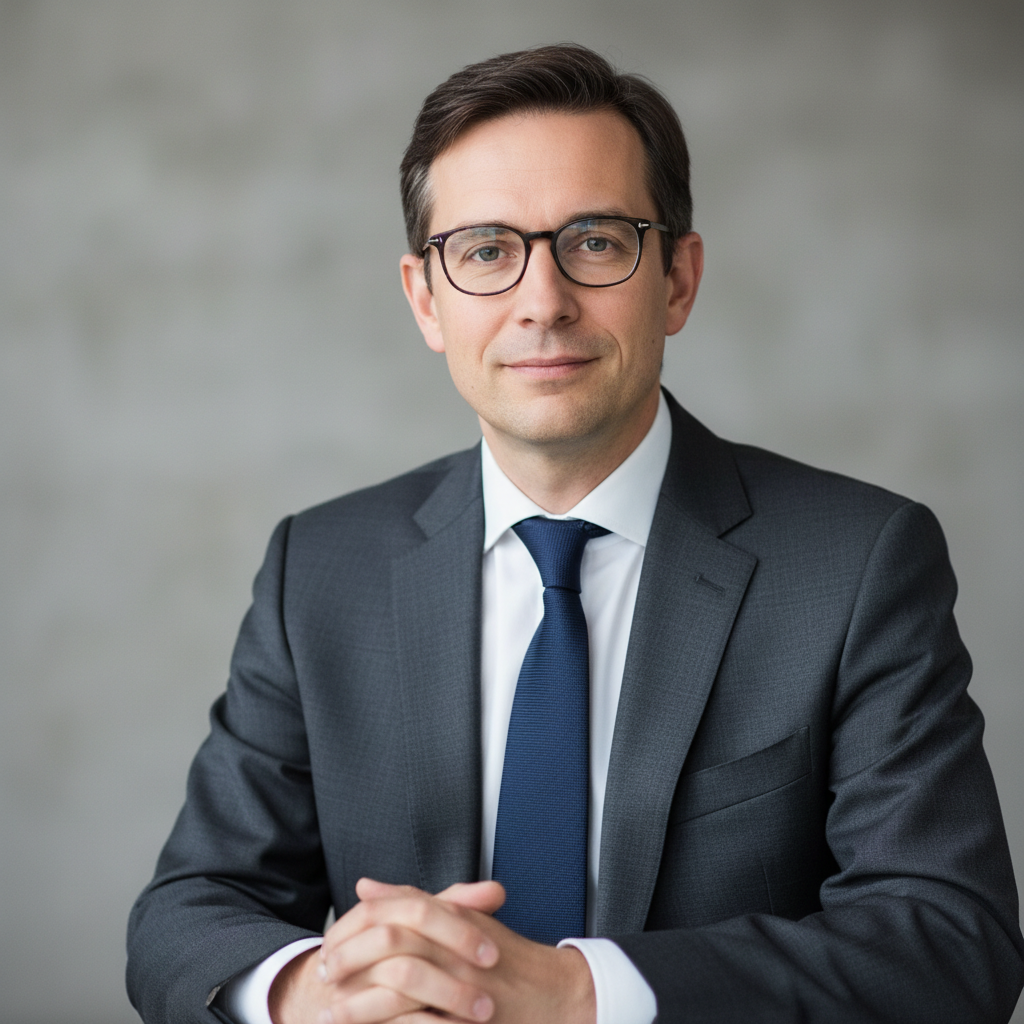
Aimee Lawson, co-founder of Déité and founder of the Eutopia Agency, looks back on a few days in Barcelona that were far more than a routine industry appointment. In a conversation with The Padel Paper, she explains how quickly padel has professionalised and why the Padel World Summit has become a key reference point for brands, operators and media.
Lawson first highlights the atmosphere of the event: constant conversations, little downtime, and ongoing exchange between manufacturers, club operators, federations, coaches and investors. That mix defines the summit. While classic tournaments focus on competition, this setting is about infrastructure, business models, product development and how padel can scale over the coming years.
Barcelona as the stage of a growing ecosystem
For Lawson, choosing Barcelona is no coincidence. The city is one of Europe's leading padel hubs, combining high player density with a vibrant club landscape. The summit reflected that clearly: new venue concepts, equipment lines, booking software and youth programmes were presented side by side. Visitors gained a full picture of how tightly sport, operations and branding are now connected.
Lawson stresses how striking the pace of change felt. Only a few years ago, padel still looked like a niche sport with limited media visibility in many markets. Today, stakeholders openly discuss international expansion, premium segments and structured development pathways. The shift is not only visible in numbers, but also in the tone of conversations: less trial and error, more planning.
What stood out for Lawson at the summit
From her perspective as a consultant and entrepreneur, several themes carried extra weight. First, the professionalisation of communication: brands no longer present products alone, but clear target groups and narratives. Second, the role of clubs as growth engines. Operators discussed occupancy, staffing, pricing models and how to retain families over time. Third, the link between events and media: the summit itself creates content that travels beyond the show floor.
Lawson also describes the summit as a network accelerator. Conversations that might take weeks by email happen there in minutes. For agencies such as Eutopia and projects like Déité, that matters because padel partnerships often need fast execution once a trend becomes visible. Those who react too late lose visibility in a market that adopts new offers quickly.
Key observations from an industry angle
- Stronger connection between product launches and international distribution strategies
- Growing interest in grassroots and youth formats alongside elite competition
- More data-driven thinking on occupancy, pricing and membership models
- Higher expectations for storytelling and media cooperation
Rapid evolution instead of linear growth
The article title – that the sport is evolving faster than many expected – runs through Lawson's analysis. She sees not only more players, but a maturing ecosystem. Sponsorship, venue construction, coaching education and event formats are developing in parallel. That creates opportunity and friction: standards are not yet uniform everywhere, and not every growth model transfers one to one.
That is why Lawson values platforms such as the Padel World Summit. They create a shared reference frame before local markets drift apart. Those present there receive early signals on which topics will matter over the next twelve to eighteen months – from premium equipment to club software and international league structures.
Implications for brands, media and operators
For outlets such as The Padel Paper, the summit matters because it delivers stories beyond individual matches. Lawson recommends reading industry events as trend barometers. Those who report only results miss how infrastructure and economics shape the sport. Those who interpret summit conversations can explain early why some regions grow faster and others still need catch-up work.
From the perspective of Déité and Eutopia, this means projects must switch more quickly between sporting relevance and business logic. Campaigns that work only aesthetically are no longer enough. They need to speak to operators, players and partners alike, and remain scalable in markets that still want local roots.
Operational lessons for the sector
- Build partnerships early when product and infrastructure trends become visible
- Align club offers with clear time slots and target groups
- Link media strategy to long-term development rather than single events
- Combine international expansion with local coaching and operating standards
Lawson also highlights the international perspective. At the summit, stakeholders from several continents compared local market phases. That diversity makes exchange valuable because successful models become visible faster and missteps can be identified earlier.
Lawson leaves the summit with the impression that padel is not only growing faster, but becoming more structured. The sport remains accessible and emotional, yet gains strategic depth. For everyone working around events, brands and clubs, the message is clear: understanding the sport's evolution requires taking summit dialogue as seriously as the action on court.